
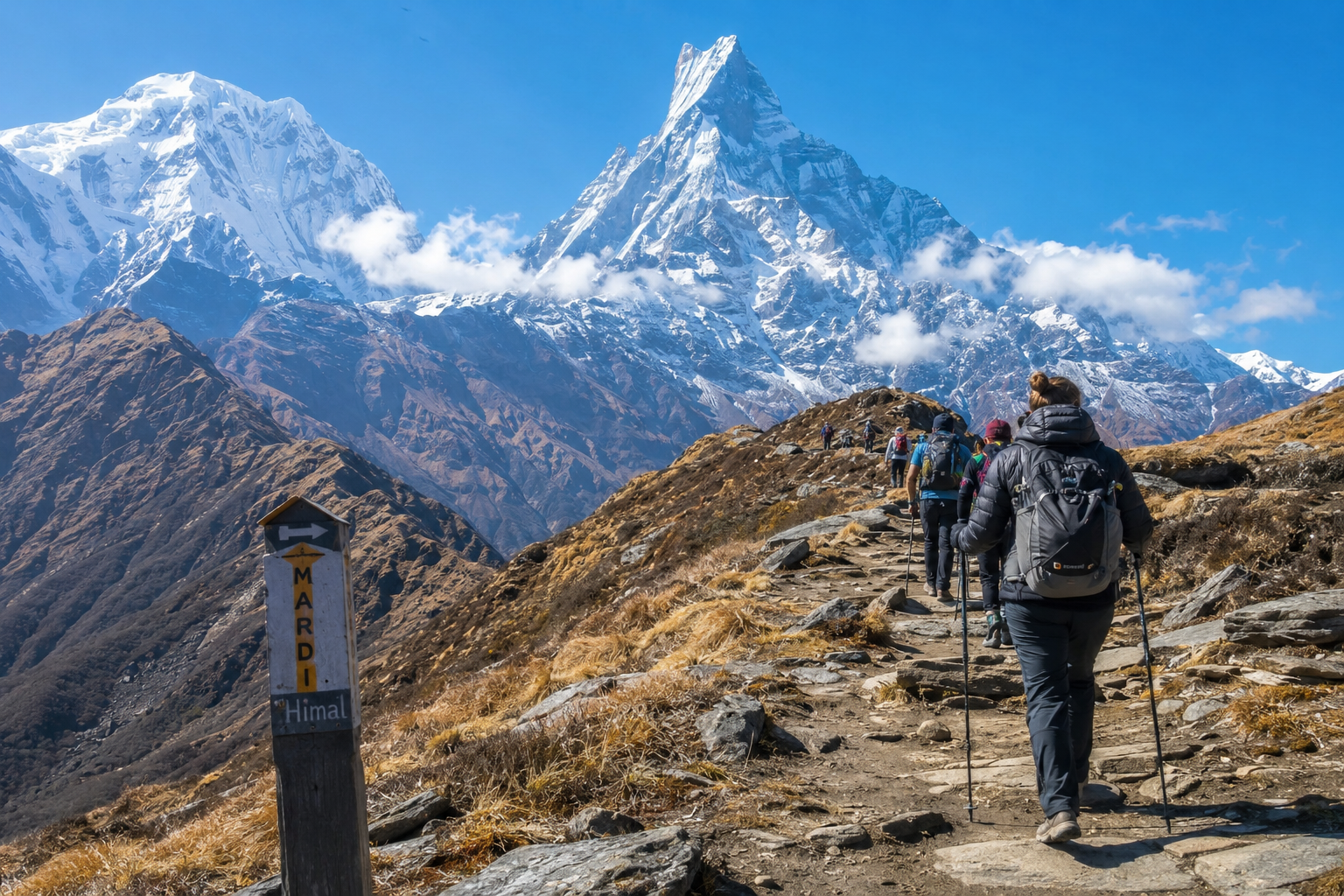
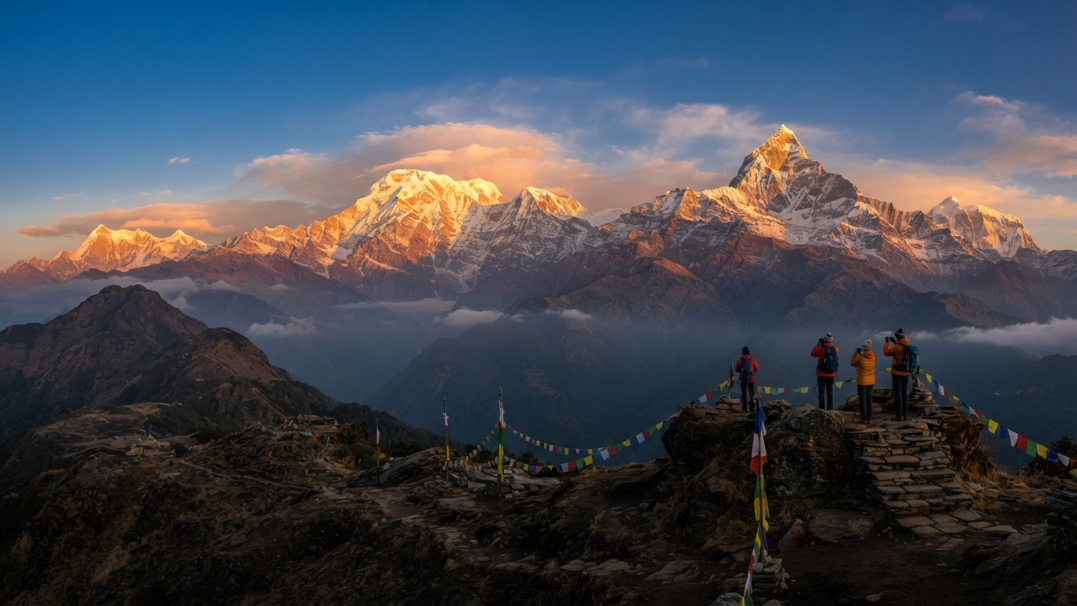
The Mardi Himal Trek is one of Nepal's most beautiful and beginner-friendly trekking routes. Nestled in the Annapurna region, the trail takes you through dense rhododendron forests, charming villages, and alpine landscapes before rewarding you with breathtaking views of Mardi Himal, Machhapuchhre (Fishtail), Annapurna South, and Hiunchuli.
Although the trek is considered moderate and relatively short, proper preparation is essential. The weather in the mountains can change rapidly, and temperatures can vary significantly between lower elevations and High Camp. Packing the right gear ensures comfort, safety, and an enjoyable trekking experience.
This comprehensive packing list covers everything you need for the Mardi Himal Trek, whether you're trekking during spring, autumn, winter, or the monsoon season.
Why Packing Properly Matters
A well-planned packing list can make a huge difference during your trek. Carrying too much weight can make hiking difficult, while forgetting essential items may leave you uncomfortable or unprepared for changing weather conditions.
For the Mardi Himal Trek, trekkers should aim to keep their backpack between 8–12 kg (18–26 lbs), excluding a porter's load if one is hired. Prioritize lightweight, quick-drying, and versatile items that can be layered according to the weather.
Understanding the Weather on the Mardi Himal Trek
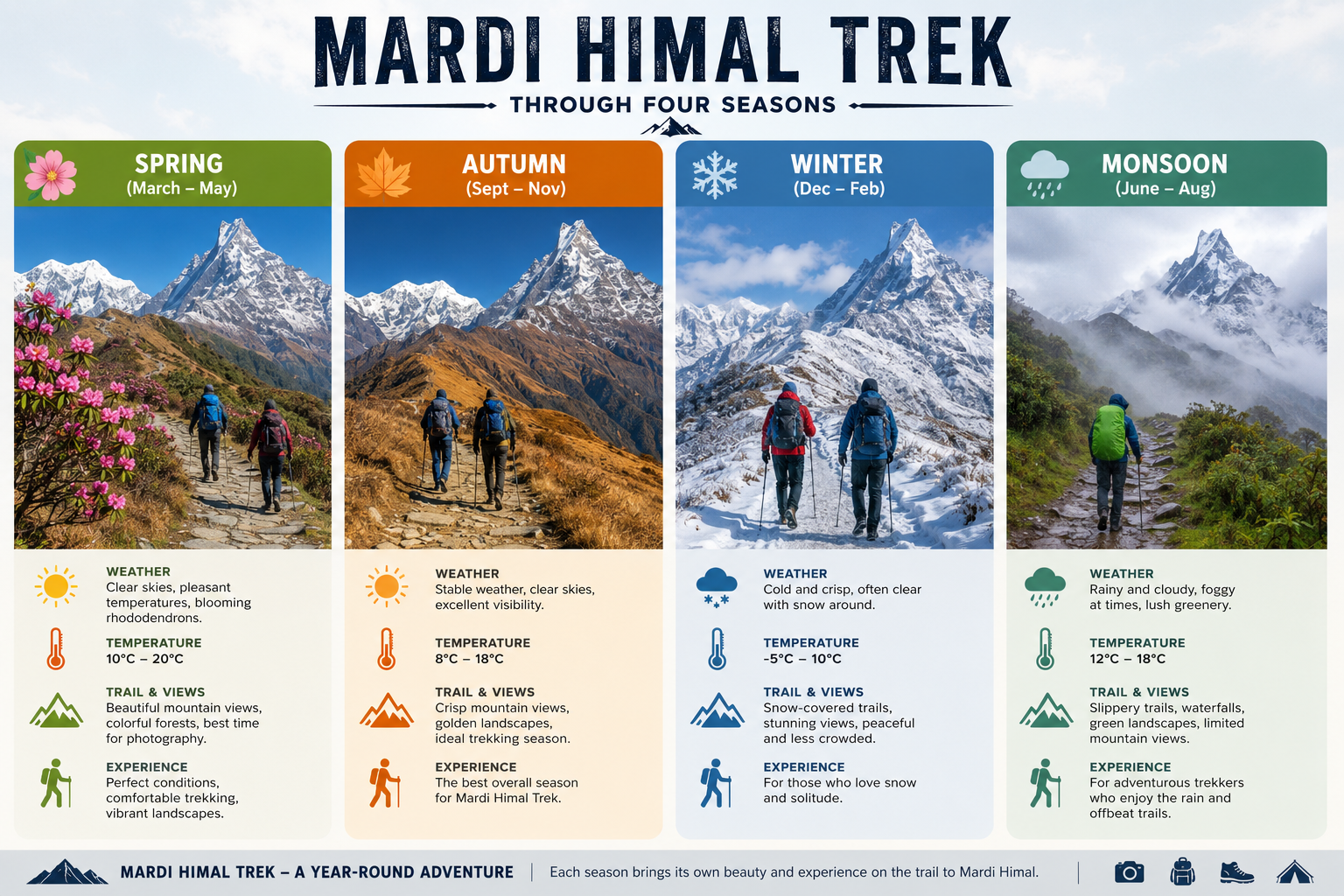
Before packing, it's important to understand the climate you'll encounter:
Spring (March–May): Mild temperatures with blooming rhododendrons.
Autumn (September–November): Clear skies and ideal trekking conditions.
Winter (December–February): Cold temperatures, especially above 3,000 meters.
Monsoon (June–August): Rainy conditions with muddy trails and occasional leeches in forested sections.
Temperatures at Mardi Himal Base Camp can drop below freezing, particularly during winter mornings and nights. Layering is the key to staying comfortable throughout the trek.
Best Time To Trek Mardi Himal Trek
Essential Documents
Keep all important documents in a waterproof pouch or zip-lock bag.
Required Documents
Valid passport
Nepal visa (for international trekkers)
Travel insurance
Copies of passport and visa
Emergency contact information
Flight tickets and booking confirmations
Trek permits (ACAP and TIMS, if applicable)
Passport-sized photographs
Having both physical and digital copies of your documents is highly recommended.
Mardi Himal Trek Permits
Backpack and Storage
Main Backpack (40–50 Liters)
Choose a comfortable backpack with:
Padded shoulder straps
Waist and chest support
Rain cover
Multiple compartments
Daypack (15–20 Liters)
A smaller backpack is useful for carrying:
Water bottles
Snacks
Camera
Jacket
Personal medications
Important documents
Dry Bags and Packing Cubes
These help organize your belongings and protect them from rain and moisture.
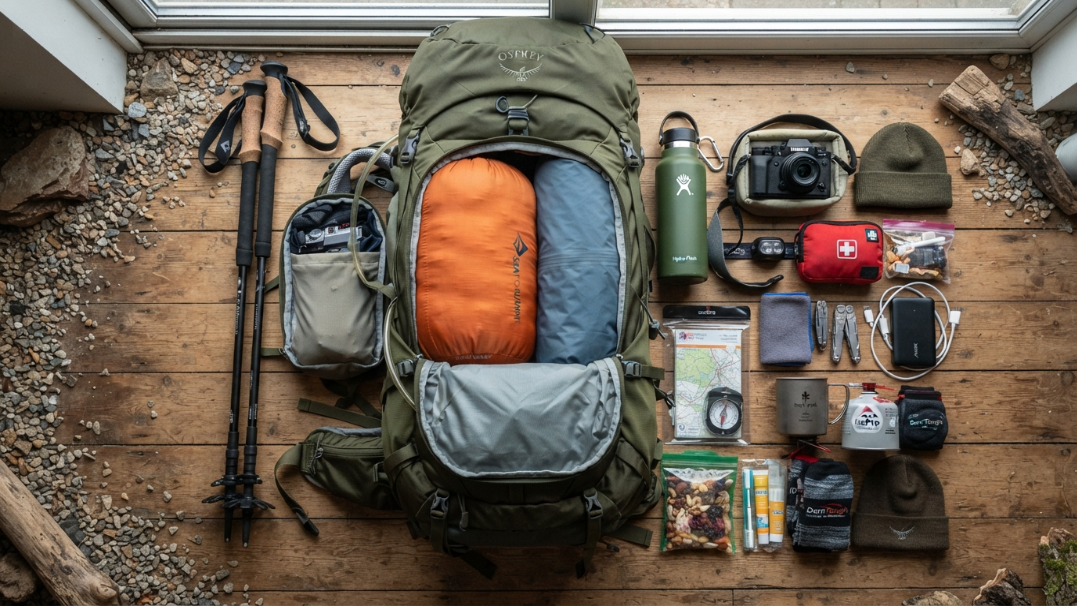
Clothing Checklist
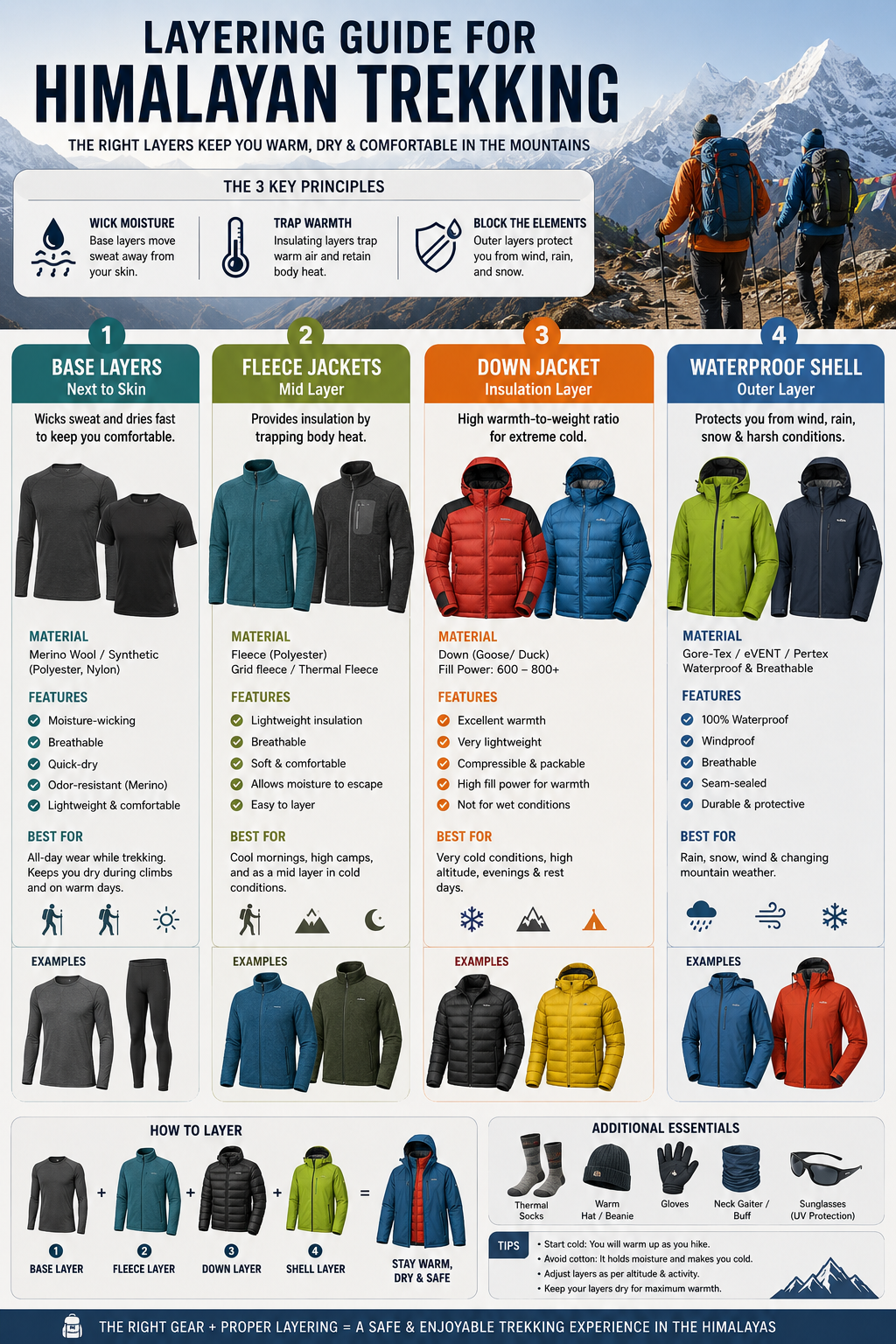
Layering is the most effective strategy for trekking in the Himalayas.
Base Layers
These should keep moisture away from your body.
2–3 moisture-wicking T-shirts
1–2 thermal tops
1–2 thermal bottoms
Avoid cotton clothing, as it retains moisture and takes longer to dry.
Mid Layers
These provide insulation.
Fleece jacket
Lightweight sweater
Soft-shell jacket
Outer Layers
Protection from wind and rain is essential.
Waterproof jacket
Down jacket
Waterproof pants
Windproof shell
A quality down jacket becomes indispensable once you reach High Camp.
Trekking Pants
Pack:
2 trekking pants
1 lightweight pant for evenings
1 pair of shorts (optional)
Underwear and Socks
4–5 pairs of underwear
3–4 pairs of trekking socks
1–2 pairs of wool socks
Sports bra (if required)
Merino wool socks are particularly effective in preventing blisters and keeping feet warm.
Footwear
Your trekking boots are arguably the most important item on the packing list.
Trekking Boots
Choose boots that are:
Waterproof
Comfortable
Well broken-in
Have good ankle support
Never use brand-new boots on the trail.
Additional Footwear
Camp shoes or sandals
Lightweight slippers
These are especially useful in teahouses after a long day of trekking.
[image: {alt: "Waterproof trekking boots suitable for the Mardi Himal Trek"}, {prompt: "Close-up of waterproof trekking boots on a rocky Himalayan trail overlooking the Annapurna mountain range"}]
Headwear
Protecting your head from both the sun and cold is important.
Pack:
Sun hat or cap
Warm wool hat
Neck gaiter or buff
Balaclava (winter treks)
Hand Protection
Cold hands can make trekking uncomfortable.
Bring:
Lightweight gloves
Insulated gloves (winter)
Waterproof glove covers
Sleeping Essentials
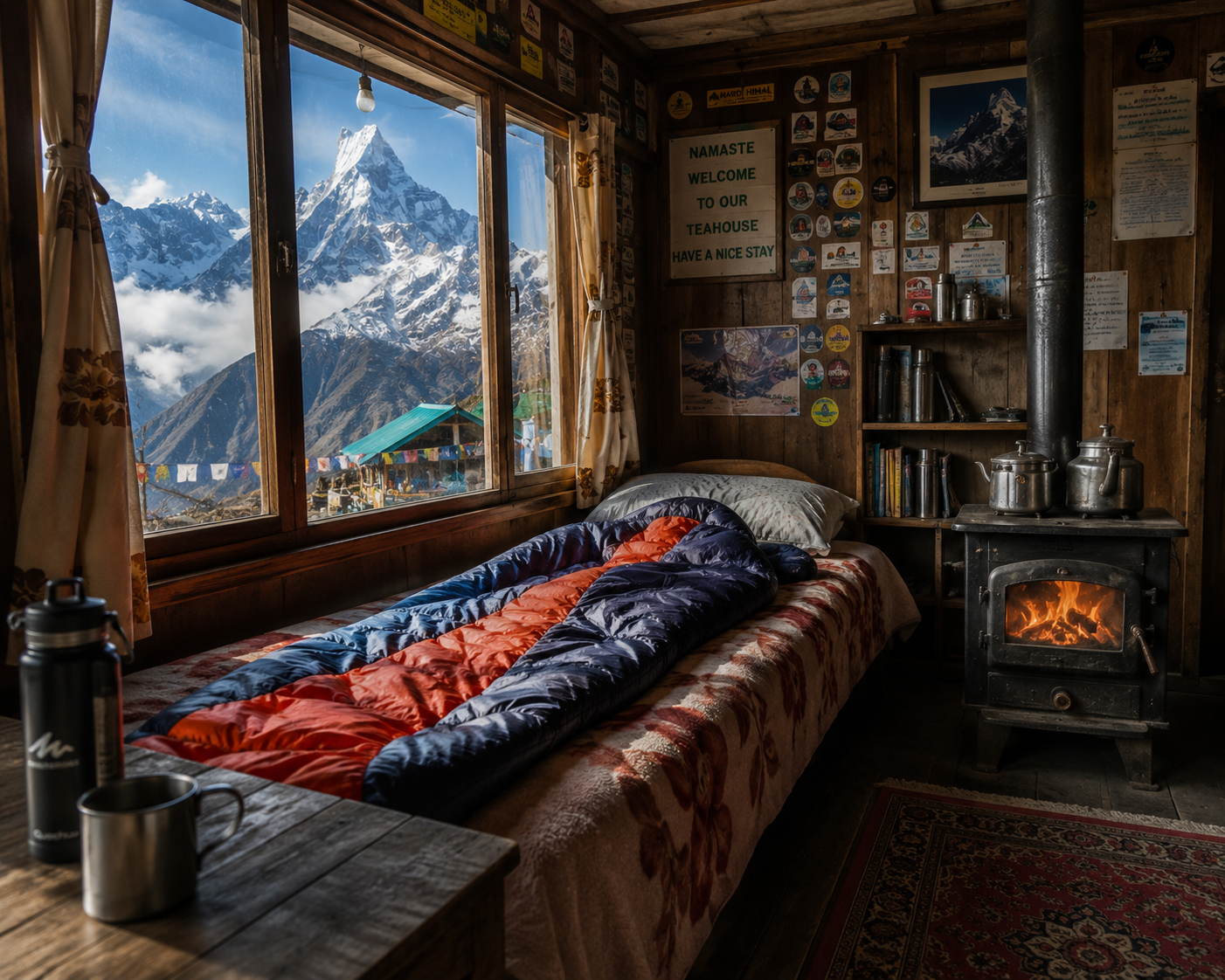
Most teahouses provide blankets, but additional warmth is recommended.
Sleeping bag (-10°C recommended)
Sleeping bag liner
Travel pillow (optional)
Earplugs
Teahouse walls are often thin, and earplugs can help ensure a good night's sleep.
Personal Hygiene Items
Pack travel-sized toiletries to save space.
Toiletries
Toothbrush and toothpaste
Soap or body wash
Shampoo
Lip balm
Moisturizer
Nail clippers
Comb
Hand sanitizer
Toilet Supplies
Toilet paper
Wet wipes
Tissues
Small towel
Biodegradable soap
Many teahouses charge extra for hot showers, so quick-drying towels are highly recommended.
Health and First Aid Kit
Every trekker should carry a basic first aid kit.
Medicines
Personal prescriptions
Paracetamol
Ibuprofen
Diamox (consult your doctor)
Anti-diarrheal medication
Antihistamines
Cold and flu medicine
First Aid Supplies
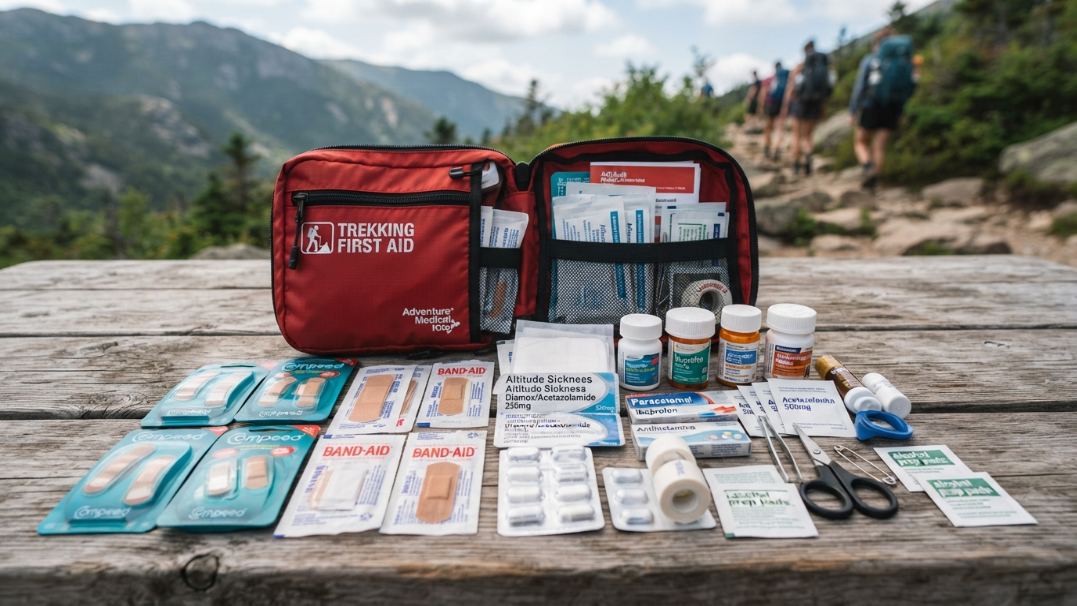
Band-aids
Blister pads
Antiseptic cream
Elastic bandage
Medical tape
Small scissors
Altitude sickness is uncommon on shorter treks like Mardi Himal but can still occur. Staying hydrated and ascending gradually helps minimize the risk.
Altitude Sickness Guide
Electronics
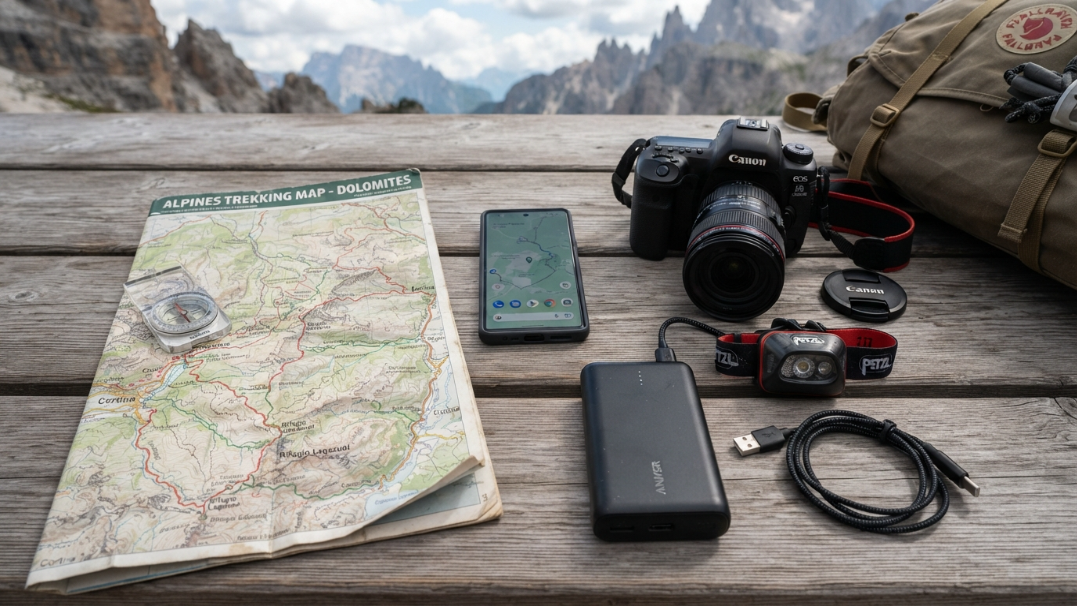
Electricity is available in most teahouses, but charging may involve additional costs.
Bring:
Smartphone
Camera
Power bank (10,000–20,000 mAh)
Charging cables
Universal adapter
Headlamp with spare batteries
Smartwatch (optional)
A headlamp is particularly useful for early morning hikes to Mardi Himal Viewpoint or Base Camp.
Food and Snacks
While meals are available throughout the trek, carrying extra snacks is always beneficial.
Recommended snacks:
Energy bars
Trail mix
Chocolate
Dried fruits
Nuts
Electrolyte tablets
These provide quick energy during long ascents.
Water Essentials
Hydration is crucial at higher elevations.
Carry:
Reusable water bottle
Insulated bottle (winter)
Water purification tablets
Hydration bladder (optional)
Aim to drink at least 2–3 liters of water daily during the trek.
Optional Items
Depending on your preferences, you may also bring:
Trekking poles
Journal and pen
Playing cards
Binoculars
Kindle or book
Drone (check local regulations)
GoPro
Lightweight blanket
Trekking poles are highly recommended, especially for steep descents from High Camp.
Winter-Specific Packing List
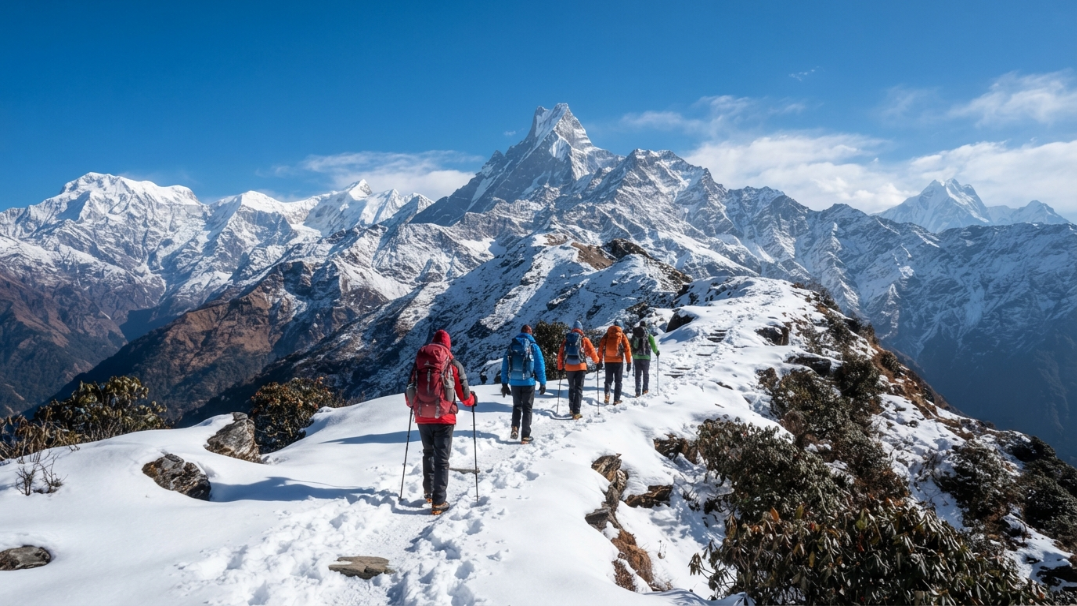
If trekking between December and February, add:
Extra thermal layers
Heavy down jacket
Thick wool socks
Hand warmers
Insulated water bottle
Additional gloves
Gaiters
Winter offers exceptional mountain views, but temperatures can fall well below freezing at higher elevations.
Monsoon Packing List
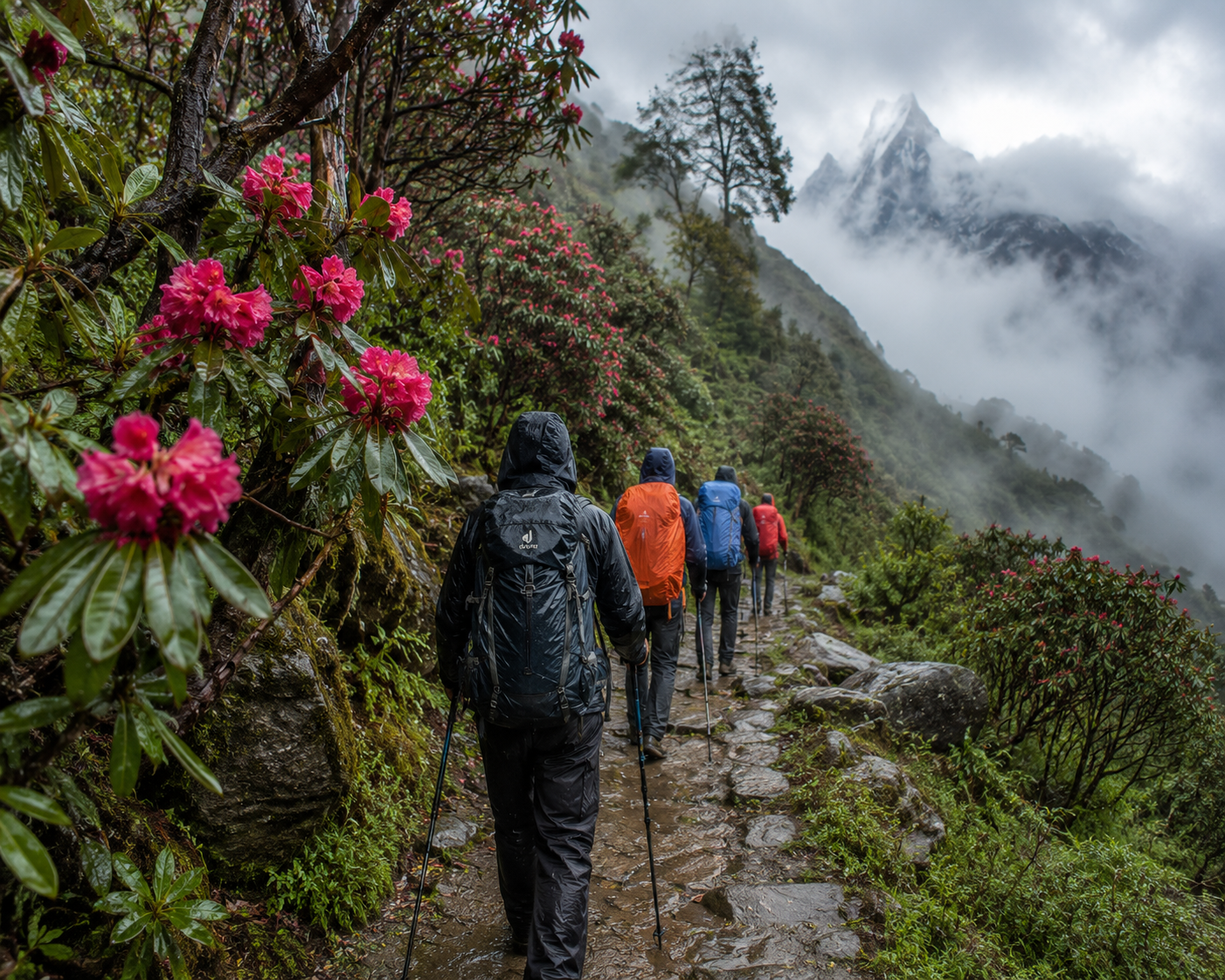
For June to August treks, include:
Waterproof backpack cover
Extra socks
Rain poncho
Quick-dry clothing
Waterproof phone pouch
Trekking umbrella
Anti-leech socks
Trails can become slippery, so trekking poles are especially useful during the monsoon season.
Packing Tips for the Mardi Himal Trek
Pack light and avoid unnecessary items.
Use packing cubes to stay organized.
Keep valuables in your daypack.
Wear your heaviest items while traveling.
Carry a reusable water bottle.
Test your gear before departure.
Label your belongings if using a porter.
Store electronics in waterproof bags.
Remember that most forgotten items can be purchased or rented in Kathmandu or Pokhara before the trek begins.
Quick Packing Checklist
Clothing
Moisture-wicking shirts
Thermal layers
Fleece jacket
Down jacket
Waterproof jacket
Trekking pants
Socks and underwear
Footwear
Trekking boots
Sandals
Camp shoes
Gear
Backpack
Sleeping bag
Trekking poles
Headlamp
Toiletries
Toothbrush
Soap
Toilet paper
Hand sanitizer
Health
Personal medications
First aid kit
Sunscreen
Lip balm
Electronics
Phone
Power bank
Camera
Chargers
Documents
Passport
Insurance
Permits
Emergency Contacts
Final Thoughts
Packing wisely for the Mardi Himal Trek can significantly improve your trekking experience. By focusing on essential gear, layering your clothing, and preparing for changing weather conditions, you'll be ready to enjoy one of Nepal's most scenic trekking adventures.
Whether you're trekking in the colorful rhododendron season of spring, the crystal-clear skies of autumn, or the snowy landscapes of winter, having the right equipment will help you stay comfortable, safe, and confident throughout your journey to Mardi Himal Base Camp.
Need help planning your trek or have questions about permits, gear, or transportation?
Ready to begin your Himalayan adventure?
Looking for a day-by-day itinerary before you travel?